**This is a collaborative post**
Weekend escapes sound wonderfully simple, yet the sprint from desk to departure gate often tells a different story. By the time you reach the platform or airport queue, you’re juggling bags, snacks and a creeping sense that you’ve forgotten something vital. Short breaks promise refreshment, but they often require a surprising amount of emotional admin.
The paradox of the short break
A weekend trip feels small enough to ignore until the very last minute. Because it’s “only two nights”, you convince yourself you don’t need to prepare. Ironically, this lack of structure often creates more stress than a longer holiday, where you’d plan things more carefully.
When you leave packing, documents and timings to chance, you leave yourself vulnerable to last-minute panics that eat into your precious downtime. By recognising that even brief travel has moving parts, you can make choices that protect your mood and free up mental space.‑minute panics that eat into your precious downtime. By recognising that even brief travel has moving parts, you can make choices that protect your mood and free up mental space.
Safeguarding your smartphone lifeline
Weekend travel relies heavily on your phone, often more than you realise. Boarding passes, navigation apps, hotel confirmations and restaurant bookings all sit behind that one glowing screen. Because it holds so much, you subconsciously guard it like a passport made of glass.
You can lower that tension by arranging mobile phone insurance before you set off. Knowing that a cracked screen won’t leave you stranded without directions or force you to replace a handset you didn’t budget for, makes the journey feel lighter.
Packing with purpose
Packing light isn’t just about saving suitcase space; it changes how you move through the trip. When you carry fewer items, you waste less time digging through your bag for basics. It also removes the awkward dance of trying to stash oversized luggage in small train compartments or hotel rooms designed with minimalism firmly in mind.
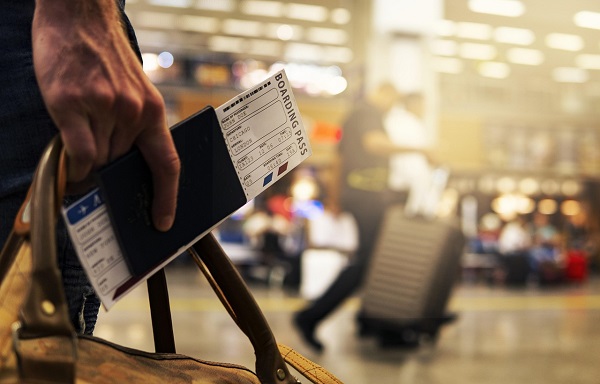
Instead of stuffing “just in case” outfits into your bag, pick a capsule wardrobe and items that work in several combinations. A jumper that layers over dresses or T‑shirts gives you warmth without hogging space. Shoes that suit both daytime wandering and casual dinners reduce bulk further. By thinking in versatility rather than volume, you set yourself up for smoother mornings where you get dressed quickly and head straight out.
The importance of buffer time
Rushing is the silent thief of holiday joy. When you run from one checkpoint to another, your body stays in work mode long after you’ve technically clocked off. Adding buffer time restores control. If you arrive at the station early, you can grab a coffee, read a few pages of a novel or simply enjoy not being in a hurry.
Building this margin also protects you from the chain reaction of small delays like slow ticket machines, busy security lanes or the friend who texts “I’m nearly there” when they definitely are not. Extra minutes soften those moments and help you start your break feeling calm instead of frazzled.