**This is a collaborative post**
Behind the scenes of Bristol’s highest-rated restaurants, cleanliness is treated with the same precision as cooking. Establishments that achieve perfect hygiene scores follow strict protocols and use specialised methods to remove grease, carbon deposits and food residue that often build up in hidden areas of a busy kitchen.
Food safety checks go far beyond visible surfaces. Recent reports of poor hygiene ratings in Bristol restaurants show why inspectors analyse equipment, preparation zones, food handling routines and the overall management of hygiene practices. Restaurants that understand these expectations maintain detailed cleaning logs and carry out frequent checks on high-risk equipment such as extraction systems and food preparation counters.
When regular cleaning can no longer handle baked-on residue or grease buildup, operators call specialist companies equipped to deal with these problems safely and efficiently.
The science behind Bristol’s spotless restaurant kitchens
Bristol has become known for its commitment to high hygiene standards, with many establishments earning top food safety ratings. Local councils evaluate restaurants based on food handling, the condition of the premises and how well safety procedures are implemented.
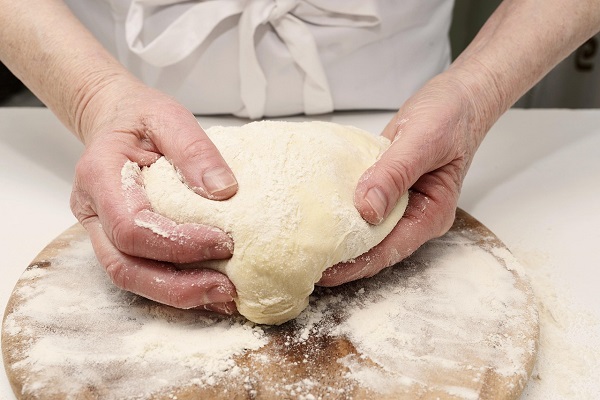
Commercial kitchens face constant cleaning challenges. High-volume cooking produces layers of grease, carbon and food particles that can harbour bacteria and increase fire risks if not removed properly. Traditional cleaning methods often struggle to manage this workload. Manual scrubbing is slow, physically demanding and may damage equipment due to repeated use of chemicals.
Advanced cleaning methods keeping Bristol diners safe
One method increasingly adopted by local restaurants is dry ice blasting services in Surrey offered by specialists such as Polar Ice Cleaning, who use solid CO₂ pellets propelled at high speed to dislodge stubborn residues from equipment. When the pellets hit a surface, they convert directly from solid to gas, lifting contaminants without leaving moisture or waste behind.
Dry ice blasting is particularly valued because it removes grease and baked-on deposits without abrasive contact, helping stainless steel surfaces and delicate components maintain their finish over time. Extraction fans, oven interiors and equipment seals can often be cleaned in place, reducing downtime and extending the lifespan of appliances. Many restaurants choose this approach after seeing traditional scrubbing wear down surfaces or leave chemical traces that could affect food safety.
Why traditional cleaning falls short in commercial kitchens
Standard cleaning methods create several problems in a fast-paced restaurant environment. Brushes and chemicals often fail to reach deep crevices in complex equipment, a reminder of the limitations of traditional kitchen cleaning methods found in guidance on commercial kitchen practices, allowing pockets of grease or bacteria to persist.
Chemical cleaners may also leave residues that are difficult to rinse completely. In high-volume kitchens, even small traces can affect taste or safety.
Time pressure is another factor. Thorough manual cleaning requires equipment to be disassembled, soaked, scrubbed and dried. This process can take hours, interrupting operations and straining staff schedules. Fatigue during long cleaning sessions can lead to inconsistent results and overlooked areas, which food safety inspectors notice quickly.
Health inspectors reveal what they really look for
Inspectors in Bristol focus heavily on areas that staff often overlook. Hidden zones behind heavy equipment, inside ventilation ducts or beneath preparation tables frequently contain grease deposits, debris and moisture. These spaces provide insight into how well a kitchen maintains everyday hygiene.
We don’t just look at the obvious surfaces,” explains one inspector. “Seals on fridges, the underside of tables and the inside of extraction hoods often reveal hidden hygiene risks in restaurant kitchens that show whether cleaning is thorough or superficial.
Inspectors also use ATP testing to detect microscopic traces of organic material. A swab is inserted into a handheld device that measures adenosine triphosphate, offering near-instant feedback. High readings indicate the need for improved cleaning practices and pinpoint the areas that require attention.
Critical cleaning zones most restaurants miss
Ventilation systems and extraction hoods collect airborne grease that can form sticky, flammable layers. Regular professional cleaning removes these deposits and reduces fire risks.
Grease and food debris often accumulate behind fixed equipment, creating conditions that attract pests and bacteria. Inspectors routinely check these zones, knowing they reveal much about a kitchen’s overall maintenance.
Refrigeration seals and door gaskets are another frequent problem area. These components trap moisture and can develop mould if not sanitised regularly. Inspectors often run a finger along the seals to detect residue or slime.
Restaurants that struggle with these areas often turn to specialist cleaning companies capable of accessing narrow spaces and performing non-abrasive treatment without dismantling equipment.
How Bristol’s top restaurants maintain consistency year-round
Successful restaurants rely on structured restaurant cleaning routines supported by staff training and daily checklists. Tasks such as sanitising counters, wiping food prep zones and refreshing equipment surfaces are defined clearly and reviewed throughout the day.
Many kitchens use colour-coded systems to assign responsibilities, ensuring all staff know exactly which areas they must clean and reducing the chance of overlooked tasks.
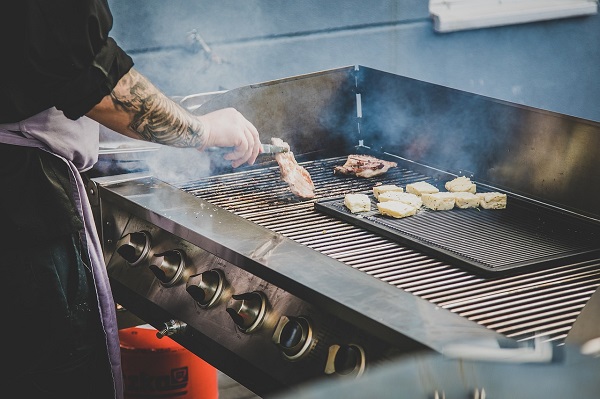
Seasonal deep cleaning complements daily routines. During quieter trading periods, restaurants schedule major cleaning operations, often involving external specialists to service extraction units, ovens, refrigeration systems and other complex appliances.
To manage busy service hours, some restaurants employ overnight cleaning teams or allocate extended morning prep time for detailed cleaning. Digital checklists and QR code scanning help managers verify that each zone has been sanitised properly. Staff scan codes placed around the kitchen after completing a task, creating a transparent cleaning record.
Professional cleaning services play a crucial role between inspections. Using industrial-grade equipment and specialised methods, these teams handle the demanding jobs that keep Bristol’s restaurant kitchens safe, compliant and consistently prepared for inspection.
Maintaining spotless, inspection-ready kitchens is not about passing a single check but building reliable systems that work every day. Bristol restaurants that invest in consistent training, structured routines and specialist support reduce risks while safeguarding the quality of the food they serve. These practices also lighten the pressure on staff and create a safer, more efficient workspace. By approaching cleanliness as an ongoing commitment rather than a last-minute task, restaurants stay compliant, trusted and prepared for anything.