**This is a collaborative post**
The package of biscuits sitting in your cupboard can look deceptively simple. But the everyday treat that goes with your tea can tell surprisingly rich stories about place, tradition and everyday life. From buttery staples to celebratory holiday concoctions, different countries have developed their own flavours, textures and baking rituals over the years. Here’s a quick guide to some of the most well-loved biscuits around the world, and some practical ideas for trying new styles at home.
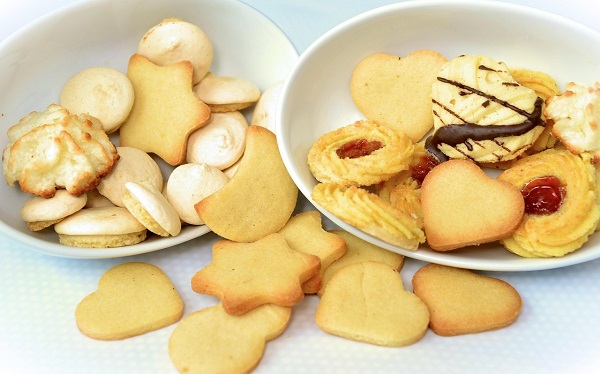
European classics: From Scottish shortbread to Norwegian krumkake
Across much of Europe, biscuits reflect local ingredients and long-standing baking traditions. For example, Scottish shortbread is known for its simple combination of butter, sugar and flour and a rich, crumbly melt-in-the-mouth texture. It’s traditionally served with tea and still plays a key role at Christmas and Hogmanay. A bit further north, Norwegian ‘krumkake’ offers a different experience – thin wafers pressed in patterned irons and rolled into cones while warm. Krumkake are usually made for festive occasions and eaten plain or filled with lightly sweetened cream.
Australia and New Zealand: The ANZAC biscuit
Down in Australia and New Zealand, the ANZAC biscuit, made with oats, coconut and golden syrup, offers a distinctive chewy texture and tastes lightly caramelised. The history of the biscuit is linked to World War I and it’s still baked for commemorative events today. Compared with British biscuits, ANZAC biscuits (and most other popular biscuits in the region) are heartier and denser since they were designed to last longer and travel well.
Cookies or biscuits? Understanding global biscuit culture
What you think of as a ‘biscuit’ actually varies widely around the world. In the UK, it’s thought of as a sweet, crisp baked good. In the US, the same products are called cookies. Some international styles blur the line completely, particularly when it comes to soft-baked or chunky varieties such as chocolate chunk biscuits. And in many countries, bakers will add large chunks of chocolate or whole ingredients rather than small chips to create thicker, softer textures and a more decadent eating experience.
Biscuit trends and innovations around the world
As lifestyles get busier and more people look to convenient snacks on the go, the global biscuits market continues to grow. Biscuit lovers around the world are looking to new flavour combinations, chocolate-coated varieties and cream-filled biscuits. In the UK, health-conscious consumers are shifting towards reduced sugar options, plant-based recipes and smaller portion formats. Given these trends, we can expect brands to rethink both ingredients and packaging.
The evolution of the humble biscuit
From traditional European recipes through to modern global innovations, biscuits can be seen as a cultural reflection of baking traditions and changing tastes. It’s well worth exploring these international styles to inspire your own home baking and to gain a new appreciation for the favourites already found in your kitchen.