**This is a collaborative post**
A great restaurant experience has never been about food alone. British diners increasingly consider atmosphere, service, convenience, comfort, and the overall sense of occasion when deciding where to spend their money.
OpenTable’s 2026 UK dining research shows that restaurant dining increased 4% year over year in 2025, while 49% of Brits expect to spend more on eating out during 2026. Consumers expect to dine out around six times per month on average, suggesting restaurants remain an important part of social life despite continued pressure on household budgets.
Expectations are also becoming more experience-driven. 39% of British diners say atmosphere is as important as food and drink when choosing a restaurant, while 45% are willing to pay more for a dining experience with a distinctive vibe. Experiential dining bookings also increased 19% year over year.
For modern UK restaurants, success therefore depends on bringing several elements together, from menu quality and interior design to technology, customer comfort, operational safety, and seamless service.
Great Food Still Comes First
No amount of technology or stylish furniture can compensate for disappointing food.
Strong restaurants typically build their reputation around consistency. Guests expect the dish they enjoyed on a previous visit to meet the same standard when they return.
This does not necessarily require an enormous menu. Smaller menus can allow kitchens to focus more closely on ingredients, preparation, presentation, and execution while reducing unnecessary complexity.
Restaurants are also responding to increasingly varied dietary expectations. Vegetarian choices, vegan dishes, allergen information, and clear menu descriptions can make the dining experience more inclusive without requiring the restaurant to abandon its identity.
The strongest menus usually have a clear point of view. Whether a venue specialises in modern British cuisine, regional Indian food, Italian dining, seafood, or neighbourhood comfort food, guests should understand what makes it distinctive.
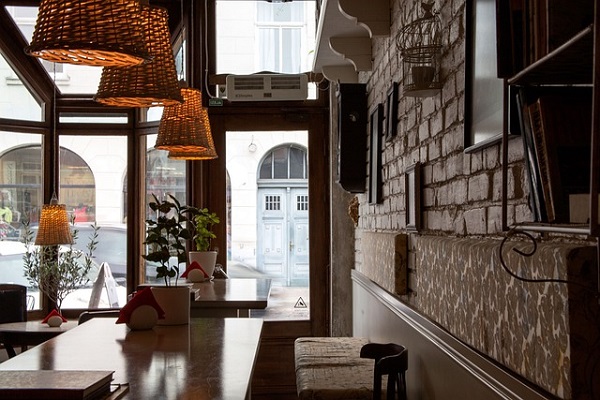
Interior Design Shapes the Experience
The dining room begins communicating with customers before the first plate arrives.
Lighting, furniture, colour, acoustics, artwork, table spacing, and layout all influence how a restaurant feels.
OpenTable found that 52% of Brits consider cosy or local charm the most appealing restaurant interior style for 2026. At the same time, social media increasingly influences restaurant discovery, making visually distinctive spaces valuable for attracting new diners.
However, attractive design should never come at the expense of comfort.
Tables positioned too closely together can reduce privacy. Hard surfaces may create excessive noise. Poor lighting can make menus difficult to read, while uncomfortable seating becomes increasingly noticeable during a two-hour dinner.
Successful restaurant design balances visual personality with practical hospitality.
Customer Comfort Matters More Than It Seems
Guests may not consciously notice good temperature control, appropriate lighting, comfortable seating, or sensible table spacing.
They certainly notice when these things go wrong.
A dining room that is excessively hot, noisy, crowded, or poorly ventilated can undermine otherwise excellent food.
Accessibility is equally important. Entrances, toilets, seating arrangements, and pathways should accommodate different customers wherever the building allows.
Restaurants should also think carefully about waiting areas. OpenTable’s 2026 research found that British walk-in diners are prepared to wait an average of 29 minutes. Managing those guests comfortably, while providing realistic wait estimates, can make the difference between someone staying and leaving for another restaurant.
Customer comfort is ultimately about removing small points of friction.
Service Should Feel Efficient Without Feeling Rushed
Technology can make restaurant operations faster, but hospitality still depends heavily on people.
Good servers understand the menu, recognise when customers need assistance, and know when to give a table space.
Speed is important, but excessive speed can make guests feel rushed. Slow service creates the opposite problem.
The ideal experience feels effortless.
Digital booking systems can help restaurants prepare for expected arrivals. Table-management software can improve seating decisions, while modern POS systems can reduce payment delays.
Technology works best when customers barely notice it.
A diner should remember the helpful server and enjoyable evening, not how many software systems were operating behind the scenes.
Operational Safety Supports the Guest Experience
Customers usually see only the public side of a restaurant, but smooth hospitality depends on strong operational controls throughout the property. Kitchens contain expensive equipment, stockrooms hold valuable inventory, staff entrances remain active throughout the day, and deliveries may arrive outside normal opening hours.
Modern integrated access control systems can help restaurant operators manage staff-only entrances, stockrooms, offices, and other restricted areas more effectively. Platforms such as Coram can also connect access events with video, giving authorised managers additional context when reviewing unusual entry activity or after-hours incidents.
Cloud-based video management and smart CCTV can further improve visibility across entrances, service areas, and customer waiting zones. Video analytics may help managers investigate incidents, identify congestion, and better understand how busy areas are being used.
The goal should not be excessive monitoring. Security technology works best when it supports staff safety, protects assets, and improves operational awareness while respecting customer and employee privacy.
Restaurant Technology Should Reduce Friction
Technology is now present at almost every stage of a restaurant visit.
Customers may discover a restaurant online, reserve a table through an app, receive a digital confirmation, pay using contactless technology, and leave a review without ever making a phone call.
AI is also influencing restaurant discovery. OpenTable reports that 36% of Brits plan to use AI tools such as ChatGPT or Perplexity more frequently to find restaurants or book tables in 2026.
Inside the business, software can support inventory management, scheduling, reservations, payments, and customer relationship management.
The key is choosing technology that solves genuine problems.
Adding another app or screen does not automatically improve hospitality. Technology should shorten queues, reduce errors, improve communication, or make life easier for employees and guests.
Atmosphere Creates Reasons to Return
Customers can cook at home or order food to their door. Restaurants need to offer something those alternatives cannot fully reproduce.
That is where the atmosphere becomes important.
Music, lighting, conversation, staff personality, aromas from the kitchen, and the energy created by other diners all contribute to the experience.

Special experiences are becoming especially attractive. OpenTable recorded a 19% rise in experiential dining in Britain, while 41% of diners said they would be more likely to choose a restaurant hosting a pop-up, collaboration, or special event during 2026.
Restaurants do not necessarily need elaborate events. A seasonal tasting menu, chef collaboration, Sunday lunch, or carefully designed date-night experience can give customers a memorable reason to visit.
Value Is More Than the Cheapest Price
Modern diners remain price-conscious, but value does not simply mean offering the lowest bill.
Guests judge whether the overall experience feels worth what they paid.
A more expensive restaurant may still represent good value when food, service, atmosphere, comfort, and attention to detail justify the price.
This is increasingly important when eating out feels like a treat. OpenTable found that 68% of Brits expect restaurant dining to feel more like a special occasion than a routine habit in 2026.
Restaurants that understand this can focus on delivering memorable experiences instead of competing solely through discounts.
FAQs
What makes a restaurant dining experience memorable?
Food quality, attentive service, comfortable surroundings, atmosphere, cleanliness, convenience, and small personal touches all contribute to a memorable experience.
Why is restaurant interior design important?
Interior design affects comfort, noise levels, privacy, mood, and how customers perceive the restaurant. A visually attractive space can also support social media discovery.
How is technology changing UK restaurants?
Restaurants increasingly use digital reservations, contactless payments, POS software, table-management platforms, AI tools, video management, and inventory systems to improve customer service and operational efficiency.
Why is security important for restaurants?
Restaurants contain valuable stock, equipment, cash-handling areas, staff-only spaces, and busy customer areas. Appropriate access control and video security can help protect these environments and support incident investigations.
What do UK diners expect in 2026?
Current research suggests diners increasingly value distinctive experiences, comfortable surroundings, convenience, atmosphere, and meaningful occasions alongside good food and service.
Conclusion
A great dining experience is created by dozens of details working together.
Food remains the foundation, but modern UK diners also expect welcoming interiors, comfort, smooth service, convenient technology, and an atmosphere that makes leaving home worthwhile.
Behind the scenes, strong operations are equally important. Security systems, staff procedures, booking technology, kitchen management, and thoughtful space planning help ensure that the experience customers see remains effortless.
The restaurants that stand out in 2026 will not necessarily be those using the most technology or offering the longest menus. They will be the ones that successfully combine food, people, design, comfort, and operational excellence into an experience guests genuinely want to repeat.