History, interactivity, nature and more…Pakenham Water Mill is a Suffolk attraction that’s entertaining, exciting and educational for the whole family.
Just a few miles north-east of Bury St Edmunds, there has been a water mill on this site for over 1,000 years. The mill that currently stands there is the oldest surviving flour mill in Suffolk, and thanks to Historic Suffolk and an incredible team of volunteers, it’s still producing stoneground flour using traditional methods.
Here’s what to expect when you visit.
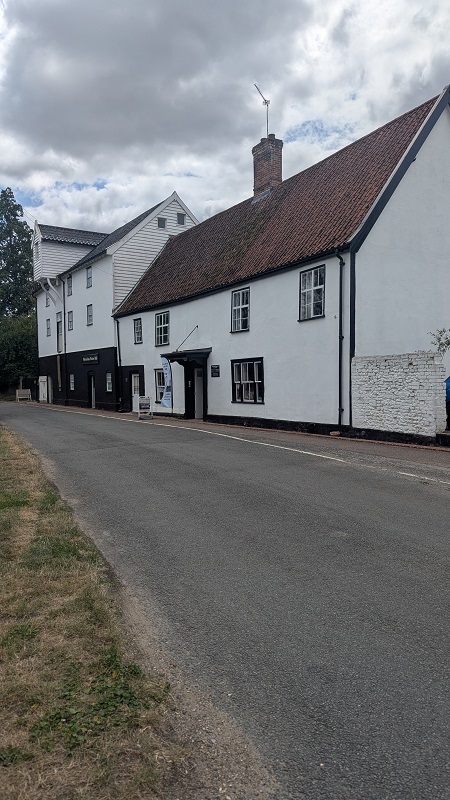
A thousand years of milling history
Impressively, mill operations have existed on this site in Pakenham for a millennium, making Pakenham Water Mill an important part of Suffolk’s history. Today, the mill is managed by Historic Suffolk and run almost entirely by volunteers who do everything from welcoming visitors in the shop to leading guided tours and serving up refreshments in the tearoom.
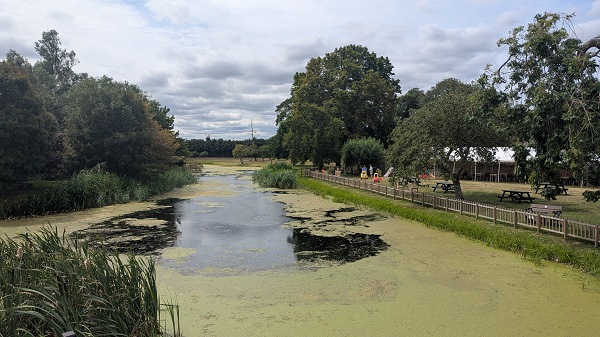
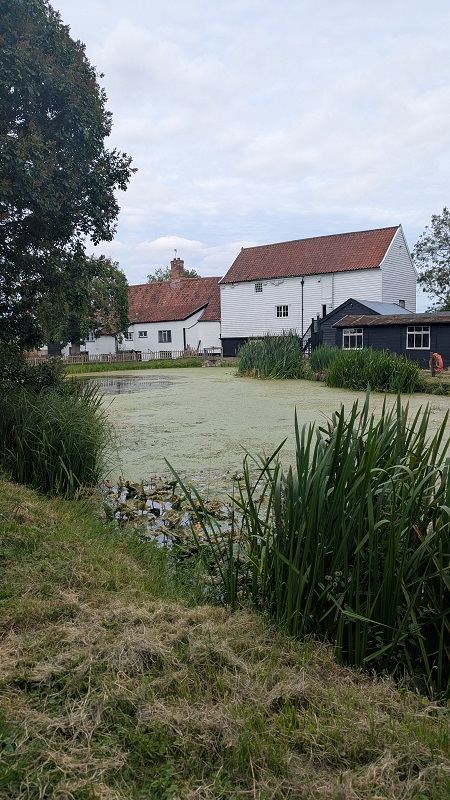
The mill still uses water from its stream-fed mill pond to power the machinery, milling locally sourced rye, wheat and spelt into traditional stoneground whole flour. Milling normally takes place on Thursday mornings – if you visit then, you’ll get the chance to see the machinery in action.
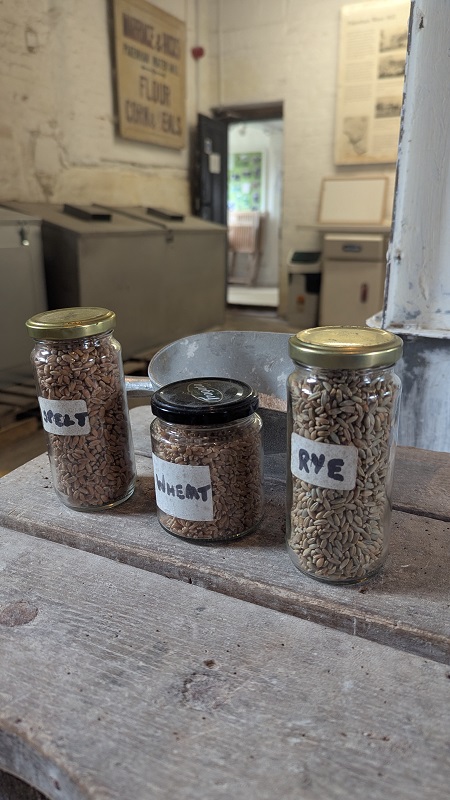
The freshly milled flour is then available to buy in the on-site shop – definitely a unique souvenir!
I highly recommend paying for a guided tour of Pakenham Water Mill (you can’t explore the mill building without doing so). Tours cost £8 per adult and children go free, making it great value for families.
Volunteer John led our tour, and it was clear to see how passionate he is about the mill and its history. He explained to us that he bakes his own bread at home, and it was this passion that led him to become a volunteer at Pakenham Water Mill – he uses their flour at home, too.
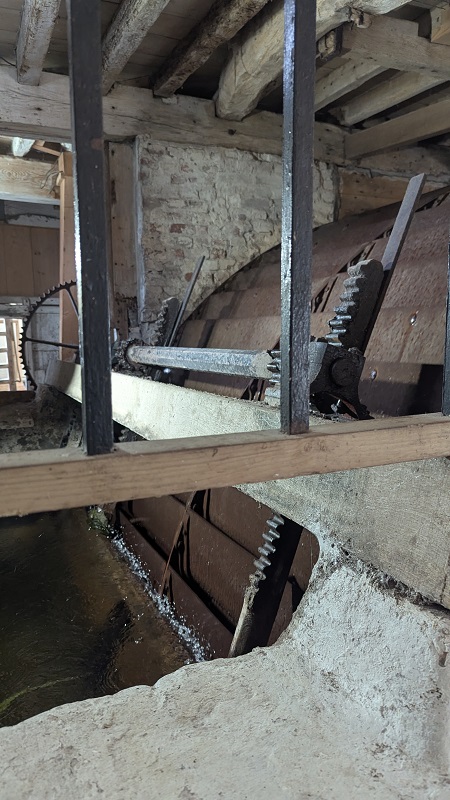
John’s knowledge of both the building’s history and the milling process was impressive, and he explained everything in a way that was interesting and easy to understand for both us and our eight-year-old son. It was fascinating to see how such an intricate system has been working for centuries.
Hands-on fun for children at Pakenham Water Mill
A trip to a historic building may not be the first choice for some children, but there are plenty of opportunities for kids to get involved at Pakenham Water Mill.
Our son had great fun using a pulley system to lift a grain sack through a trapdoor in the ceiling, just as mill workers would have done years ago. He also had a go at grinding grain using a mini (but still very heavy!) millstone before discovering, thanks to the floor scales that are still used today, that he weighs almost exactly the same as a full sack of grain!
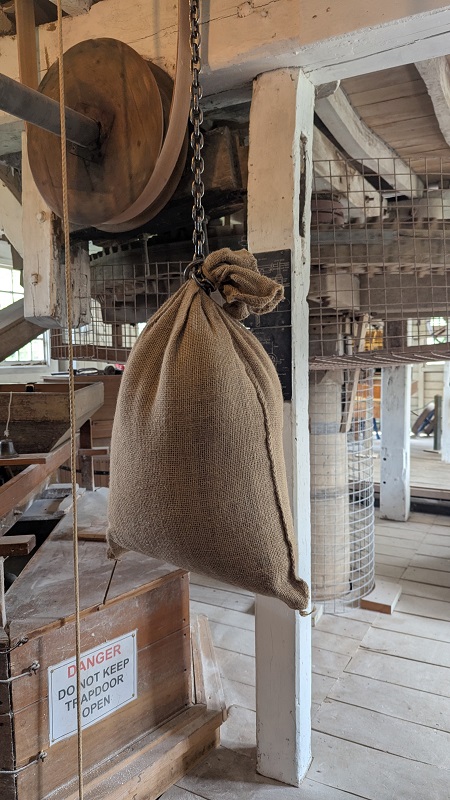
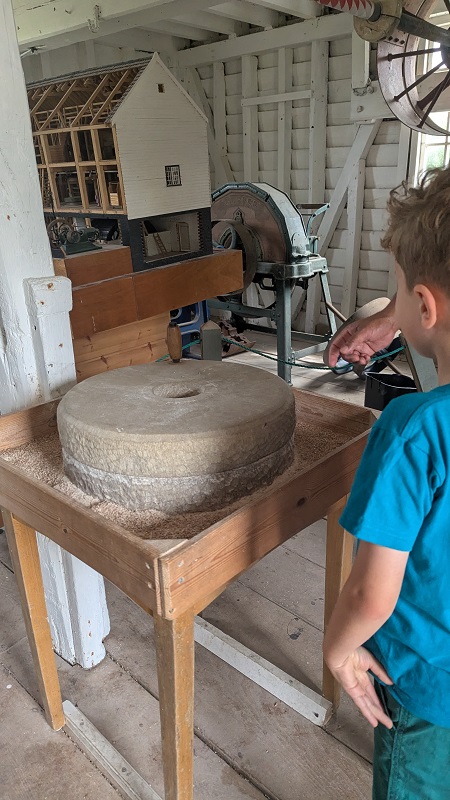
Interactive moments like these really helped bring the tour to life and keep him interested and engaged throughout. Before we’d even got back in the car afterwards, he’d told us he wanted to do the tour again one day soon…
Pick up local produce in the shop
After your tour, it’s worth spending a little time browsing the small shop just inside the mill’s entrance. As well as the mill’s own freshly milled flour (prices here), you can pick up all sorts of local produce including apple juice pressed from the mill’s own apples, Suffolk honey, porridge oats, preserves and more.
If you like to bake, taking home a bag of flour milled just a few metres away feels pretty special – and if you don’t pick any up while you’re there, it’s available at a selection of other local stockists, including the lovely Clear To Sea in Bury St Edmunds.
Tea and cake with a view
As well as local produce, the shop at Pakenham Water Mill also houses a freezer stocked with small tubs of Alder Carr ice cream – our son chose a tub of Pear & Vanilla to eat in the sunshine. We, meanwhile, wandered through to the tearoom on the other side of the main building…because if a trip to a historic building doesn’t include tea and cake, are you really doing it right?
We were greeted by two friendly, smiley volunteers who were on hand to serve up hot and cold drinks and slices of a choice of three different cakes to enjoy. We paid just £6 for a generous slice of coffee and walnut cake and a pot of tea, and £1.50 for a can of soft drink – incredibly reasonable prices!
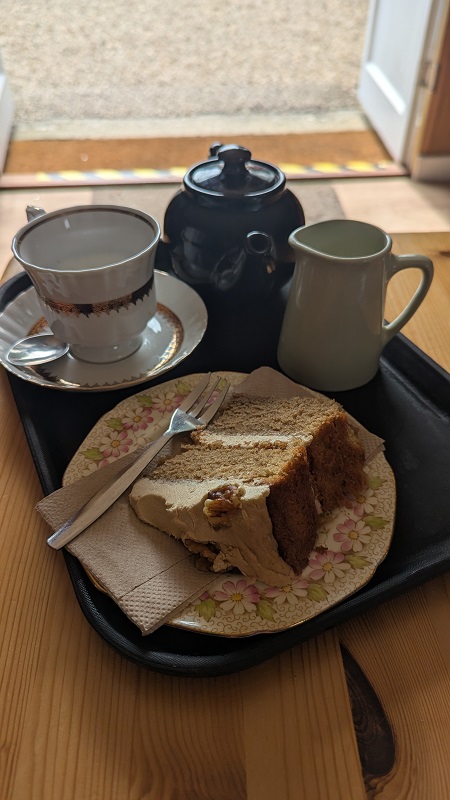
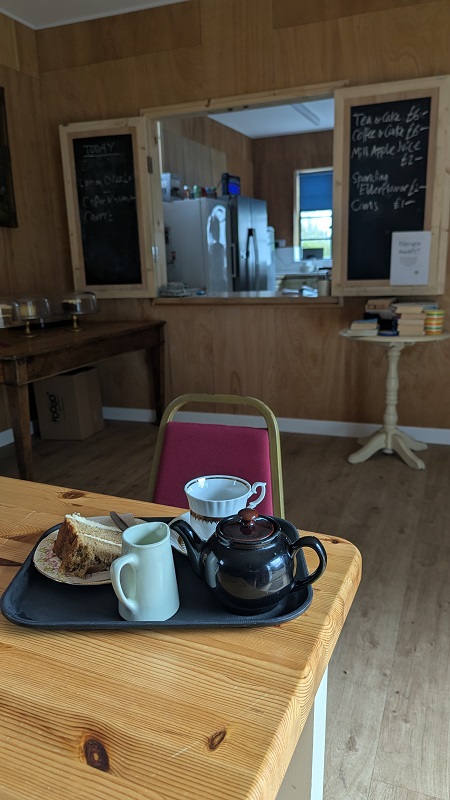
You can either sit inside the shaded tearoom or head outside into the peaceful garden overlooking the mill pond, where there are covered areas for shade and shelter, along with a few small pieces of play equipment to keep the kids entertained.
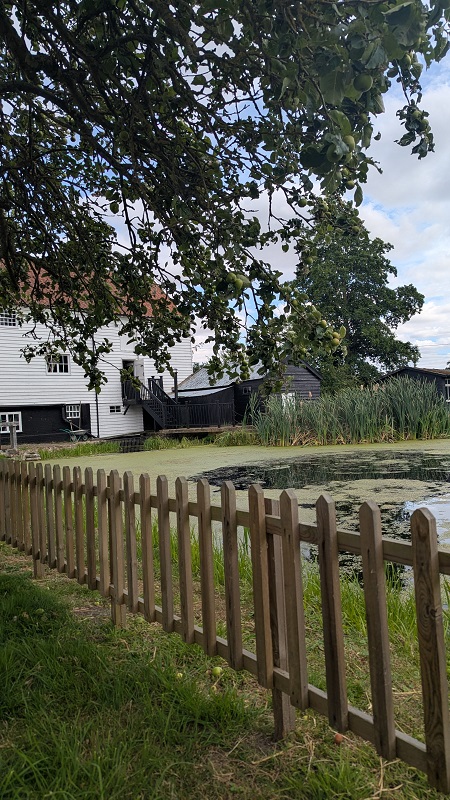
Don’t miss the riverside walk
Before heading home, make sure you leave time for the short walk around the mill grounds. The walk starts from the garden next to the tearoom, following the stream to a small road bridge before looping back along the opposite bank. The return part after that bridge could do with some better signposting (we were thrown off by the “private property” signs at first!), but it’s a pretty walk that ends at a small wildlife area.
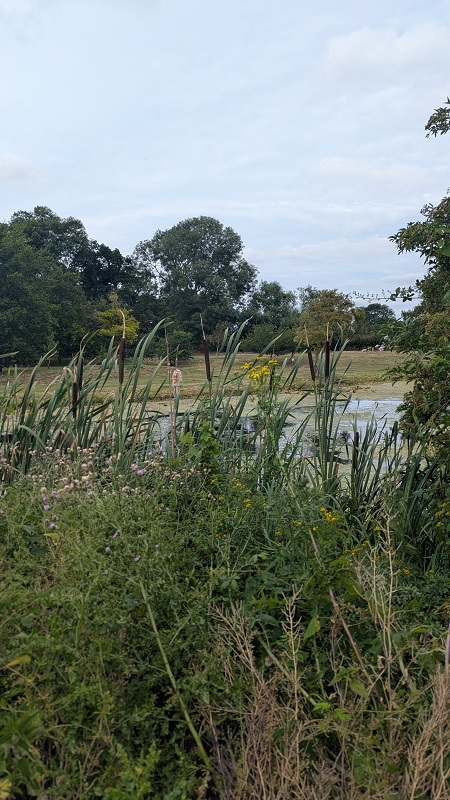
Here, children will enjoy peering into the bug hotel for signs of life, and lifting up sheets of plastic and metal in a bid to spot slow worms and other creatures. We had no joy with the slow worms, but came surprisingly close to a baby muntjac resting quietly in the undergrowth, which was an unexpected highlight of the day for the child!
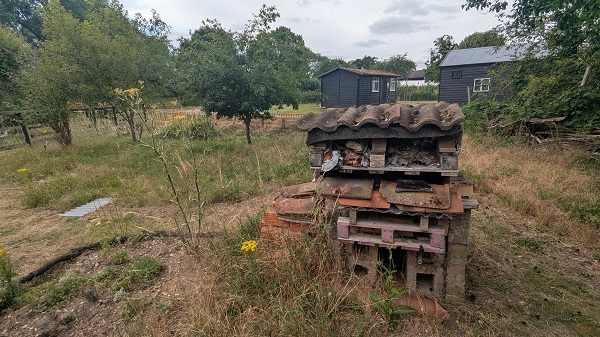

What you should know before visiting Pakenham Water Mill
- Guided tours cost £8 per adult, with children visiting free
- The mill building can only be accessed as part of a guided tour
- Milling usually takes place on Thursday mornings
- There’s a volunteer-run shop selling flour and local produce
- The tearoom is simple but great value for money
- Free parking is available in the field opposite the mill
- Throughout the year, Pakenham Water Mill hosts popular community events including wildlife days, vintage power days and more.
There’s far more to a visit to Pakenham Water Mill than simply looking round an old building. The guided tours bring the mill’s history to life, the volunteers are genuinely passionate about what they do, and the hands-on activities make it engaging for children.
With affordable refreshments, beautiful riverside scenery and the chance to pick up flour milled on-site to take home, it’s definitely a Suffolk hidden attraction: a great example of living history that’s well worth a visit.
Take a look at more of our favourite Suffolk attractions here.