**This is a collaborative post**
Arriving in a new city hungry is one of travel’s most reliable tests of character. Surrounded by options, most people default to whatever is closest or most prominently signposted, and that usually means paying more for less. According to a 2024 survey by PhotoAid, nearly 90% of travellers have fallen victim to a tourist trap at least once, with 70% saying it actively diminished their enjoyment of the trip. Better research and sharper observation change that outcome more reliably than any app.
1. Follow local eating habits, not online rankings
The most practical signal in any city is volume at the wrong hour. A restaurant doing brisk trade at half past two on a Tuesday, or packed with office workers at noon in a side street with no tourist foot traffic, is almost always worth investigating. Top-ten lists are shaped by reviews that compound over years and often reflect a restaurant’s past rather than its present. Watch where people who live and work nearby choose to eat, and follow them.
2. Use reviews for patterns, not praise
A five-star average tells you very little. What matters is whether recent reviewers, filtered by newest first, mention the same specific details: a short, focused menu, a particular dish done well, a room full of regulars. Repeated observations about freshness, portion honesty, or a kitchen that changes with the season are far more reliable than generically enthusiastic write-ups. One negative pattern spotted across three recent reviews is usually worth taking seriously.
3. Walk a few streets away from landmarks
Commercial rents in tourist zones are substantially higher than those a few streets back, and those costs pass directly onto the plate. In Rome, the difference between a coffee facing the Pantheon and one taken two blocks east can be several euros for the same drink. The same logic holds in any city with a recognisable centre. Walking away from the landmark, not far, just past the point where the restaurant menus switch from pictures back to words, is one of the simplest and most reliable ways to eat better for less.
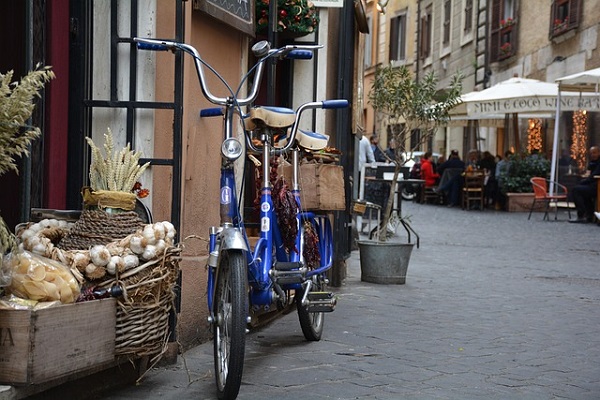
4. Ask people who handle food every day
Baristas, bakers, and market traders eat out regularly and have strong views on where to go. They’re also unlikely to recommend somewhere that would embarrass them, since they’ll see you again if you come back. A quick, direct question like “Where do you go for lunch?” takes thirty seconds and frequently produces a recommendation that no amount of online research would surface. Experts say that informal local conversations as the most reliable source of genuine dining leads.
5. Treat transport as part of the dining experience
Some of the most memorable meals on any trip happen not at a destination but in transit. Luxury rail journeys such as the Venice Simplon-Orient-Express treat the dining carriage as a centrepiece instead of an afterthought, which is the kind of approach that reframes what it means to eat well while travelling. Even on more modest rail journeys, the rhythm of a train, the scenery passing outside, and the absence of any pressure to move on create a different relationship with food than a meal grabbed near a landmark ever could.
The best meals on any trip rarely come from the most obvious choices. A little patience, a willingness to walk, and the confidence to ask the right people will consistently outperform any guidebook.